Prospective Marriage Visa (Subclass 300) Australia: Processing Times
Introduction
Navigating the visa process can be daunting. For those planning to marry an Australian partner, the Prospective Marriage Visa (Subclass 300) is a crucial step. This visa allows you to enter Australia to marry your partner within nine months. Understanding the processing times is essential for planning your future together.
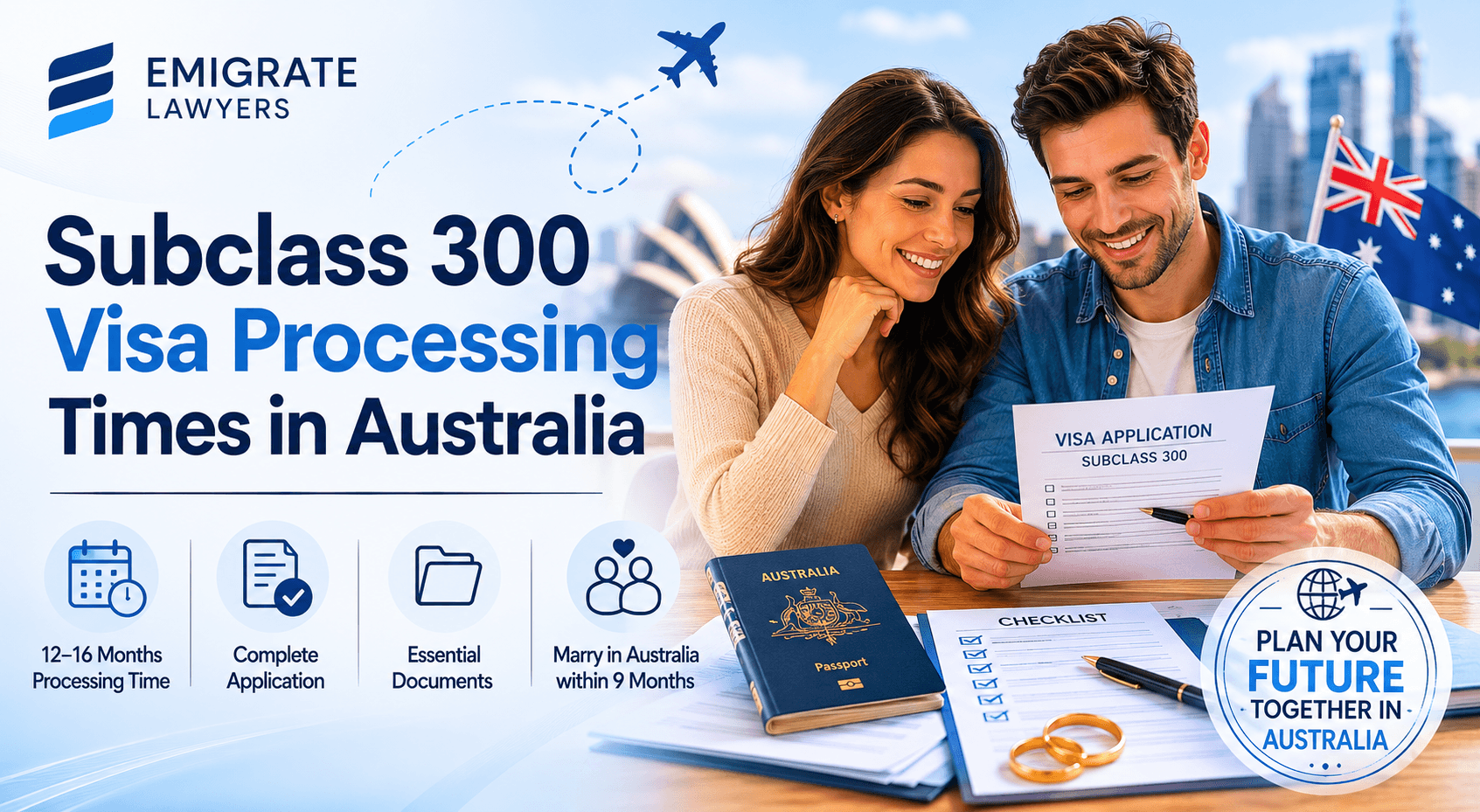
Processing times for the Subclass 300 visa can vary significantly. They typically range from 12 to 16 months. Factors like application completeness and document verification can impact these times.
This guide will provide detailed insights into the application process. We will cover eligibility criteria, necessary documents, and tips to avoid delays.
Whether you're an applicant or an immigration consultant, this information is vital. It will help you navigate the complexities of the Australian marriage visa process.The Impact of Diet on Teeth
Prospective Marriage Visa (Subclass 300) Australia Processing Times
Understanding the processing times for the Prospective Marriage Visa (Subclass 300) is essential. These times can greatly affect your plans. Processing times typically range from 12 to 16 months. However, these can fluctuate based on various factors.
The Department of Home Affairs regularly updates processing times on their website. It is wise to check for any updates during the application process. Being informed about changes can help you plan your wedding and relocation to Australia better.
Remember, processing times are estimates and not guaranteed. They can vary from one applicant to another. Some applications may be processed faster, while others might take longer, depending on individual circumstances.
Factors affecting these times include the volume of applications and the clarity of the information provided. Meeting all criteria and submitting a thorough application can potentially hasten the process.
Planning your application timeline is crucial. Consider factors like your wedding date and the validity period of the visa. Ensuring your intended marriage aligns with these timelines can reduce stress.
Here's a quick summary of processing times:
🕛 Typical range: 12 to 16 months
🕛 Check for updates on the official website
🕛 Times vary per applicant
Staying proactive helps manage expectations and timelines effectively.
Factors Affecting Visa Processing Times
Several factors can influence how long your visa application takes. These factors are often beyond your control but knowing them can help. One critical factor is the completeness and accuracy of your application. Errors or missing information can lead to delays.
The origin country of the applicant also plays a role. Applications from certain countries may require additional checks. This can extend the overall processing time.
The number of applications the Department of Home Affairs handles affects individual processing times. High volumes can result in slower processing due to resource constraints. It’s best to plan for potential variability.
Unplanned global events might impact processing too. Such events can shift resources or priorities within immigration services. Being aware of these potential impacts is beneficial.
Key factors include:
Application completeness
Applicant’s country of origin
Volume of visa applications
External global events
Understanding these factors offers better preparedness and patience during the wait.
How to Avoid Delays: Tips for a Smoother Application
To minimize delays, thoroughness is key. Carefully preparing your application can make a significant difference. Start by ensuring all required documents are included. Missing documents frequently cause delays.
Always double-check your application for accuracy. Even minor errors can lead to complications. It's advisable to review forms multiple times before submission. Attention to detail here saves time later.
Seeking professional advice may be helpful, especially if the process seems complex. Immigration consultants can offer insights and ensure all criteria are met. Their expertise might prevent common pitfalls.
Consider maintaining open communication with the Department of Home Affairs. Respond promptly to requests for more information or documents. Staying responsive demonstrates commitment and might facilitate quicker processing.
Helpful tips for a smooth application include:
Include all required documents
Double-check for errors
Consider professional legal advice
Stay responsive to communications
By following these strategies, the possibility of delay decreases substantially, making for a smoother application experience.
What Happens After the Visa is Granted?
Once you receive your Prospective Marriage Visa (Subclass 300), a new journey begins. The visa allows you to enter Australia and marry within nine months.
With this visa, you can visit Australia multiple times until it expires. This flexibility helps you prepare for your wedding and start settling into Australian life.
After marriage, the next step is to apply for a Partner Visa (Subclass 820/801). This visa allows you to live in Australia permanently. It is crucial to start planning for this application soon after marriage.
Here are the key steps to take post-visa grant:
Enter Australia to marry within the visa granted period
Use the visa for multiple entries (if required)
Prepare for Partner Visa (Subclass 820/801) application
These steps will ensure a smooth transition to your new life in Australia.
Common Questions About the Subclass 300 Visa
Many applicants have questions about the Prospective Marriage Visa (Subclass 300). Understanding these answers can help simplify the process.
One common question is about work rights in Australia. While this visa allows entry, it does not provide work permissions until you apply for the Partner Visa.
Applicants often ask if they need to marry in Australia. You must intend to marry your partner within nine months of entering Australia, but the wedding can occur anywhere.
People also wonder about applying while onshore. Remember, you must be outside Australia when lodging the application for this visa.
Here are some frequently asked questions:
Do I need a health examination for subclass 300?
Can I switch to another visa type from prospective marriage visa?
What if my wedding is delayed because of Australian prospective marriage visa?
Knowing the answers will help manage expectations. It ensures a smoother path to joining your partner in Australia. For any unique or complex queries, consulting with an immigration advisor can provide personalized guidance.
Final Thoughts and Key Takeaways
The Prospective Marriage Visa (Subclass 300) offers a pathway for couples wishing to start their lives together in Australia. It is a crucial step towards family reunification, enabling couples to marry and apply for a Partner Visa subsequently.
This visa requires detailed planning due to its comprehensive eligibility criteria and lengthy processing times. Ensuring all documents are complete and meeting all requirements can significantly reduce potential delays.
Here are some key takeaways:
The visa is valid for nine months and allows for multiple entries.
Application processing can range from 12 to 16 months.
Clear and truthful documentation is essential to avoid refusals.
Always stay updated on any policy changes that may impact the process.
Ultimately, preparing thoroughly and understanding each step can ease the journey towards receiving the Subclass 300 Visa. It's a rewarding opportunity for couples aiming to build a future together in Australia.
Disclaimer: The information on this page is provided for general information only and does not constitute legal advice. Australian immigration law and Department of Home Affairs policy can change, and eligibility for a Subclass 300 Prospective Marriage Visa depends on your individual circumstances, relationship evidence, sponsor eligibility, immigration history, health, character, and supporting documents.
Reading this page does not create a lawyer-client relationship with Emigrate Lawyers. You should not rely on this information as a substitute for tailored legal advice. If you are planning to apply for a Subclass 300 visa, have received a visa refusal, have limited relationship evidence, sponsorship limitations, health concerns, or character issues, you should seek advice from a qualified Australian immigration lawyer before lodging your application.